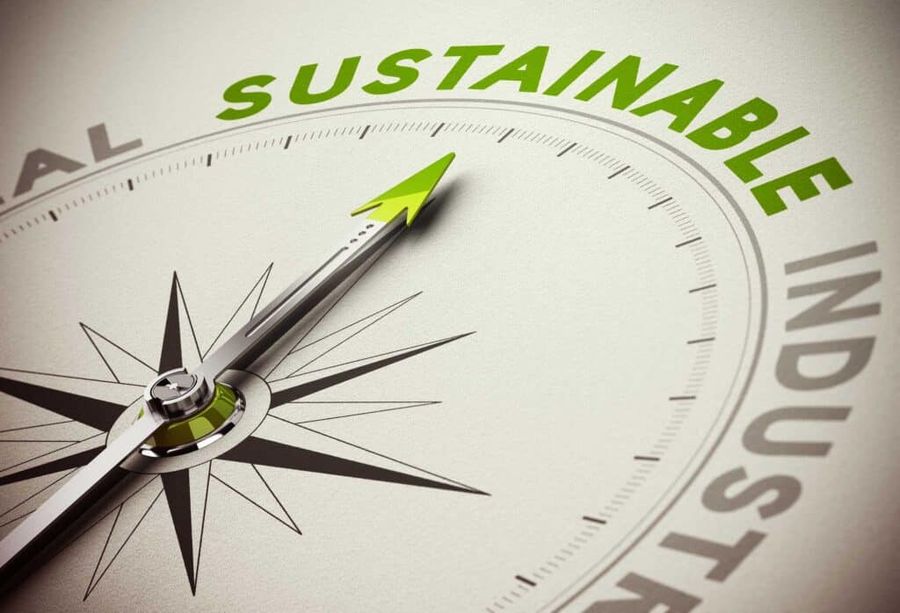
Most entrepreneurs launch their businesses with the goal of making them sustainable and able to continue operating long-term. But where do you start?
Of the 5.5 million small businesses in the UK, 1 in 10 are social enterprises and 1 in 5 are ‘mission-led’ businesses. Mission led businesses have no restrictions in putting a specific percentage of their profits back into social purposes but social enterprises have to ensure that at least 50% of their profits go into social purposes. This is quite an important distinction as most commercial businesses would probably never consider setting aside half of their profits.
However, social enterprises are a prototype of sustainable businesses. A recent survey of 1,030 social enterprises in nine countries showed that they provide 4.8 million jobs, serve over 80 million beneficiaries, generate over Euro 6 billion in revenues and helped to make labour markets more inclusive by training and employing at least 3.3 million disadvantaged individuals.
They have a distinct way of doing business by ensuring that they manage for the long-term as well as for the short-term. They design and deliver products and services that meet social and environmental needs and above all, they take advantage of any opportunities of future social needs and societal trends.
The cohort were asked to think about how they could explore social innovation opportunities and be more aware of the potential benefits that their own organisation could benefit from modelling and working with social enterprises in order to be more sustainable.
In order to be more sustainable, businesses do not just need to consider their normal bottom line but the “triple bottom line”. This being how businesses can create financial value alongside social and environmental value, and how we can improve inclusive growth by improving profits that will benefit the people and the planet in which we live. It is about shared value where we can find business solutions to the societal problems that we face and measure the monetary as well as the social impact.
Banks and financial institutions are investing heavily in inclusive growth companies and making it part of their own growth strategy because they are aware of the potential impact it can have, especially with the young millennial generation, where they place greater importance on ensuring that there is true purpose and passion to their work.
Even large multinational companies like Unilever do not want to be left behind. They have restated their purpose and vision to ensure that they make sustainable living commonplace and to double the size of their business, whilst reducing their environmental footprint and increasing their own positive social impact.
Will they be successful? Only the future will tell.
However, the bigger question is…will small businesses be left behind if they do not take this seriously and take real action to innovate and keep up with the trend?
Small businesses have a lot more to lose if they don’t, and considering that the UK (and most other countries around the world) have a larger percentage of smaller businesses compared to large ones, the missed opportunities of creating a bigger social impact could be huge.